Rural development is a cornerstone of sustainable development in North Macedonia. While urban centers continue to expand, rural areas remain essential to national food security, environmental stewardship, cultural identity and economic stability. The Institute for Sustainable Development (ISD) works to ensure that rural communities are not left behind but instead become active drivers of inclusive and resilient growth.
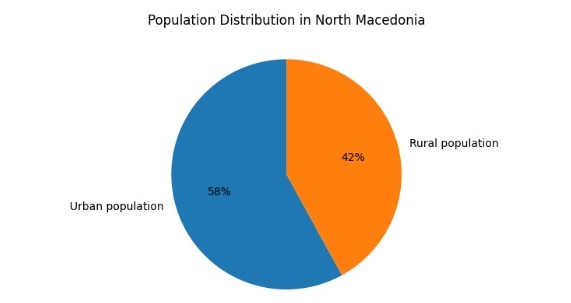
North Macedonia is predominantly rural in terms of territory, with rural areas covering nearly nine-tenths of the country’s land. At the same time, demographic trends show a steady concentration of population in urban centers, with approximately 58 percent of citizens living in cities and 42 percent residing in rural areas. This imbalance reflects long-term challenges such as migration, aging rural populations and uneven access to services but it also highlights the strategic importance of investing in rural regions.
Population distribution in North Macedonia (check the graphic below)
Population distribution in North Macedonia (check the graphic below)
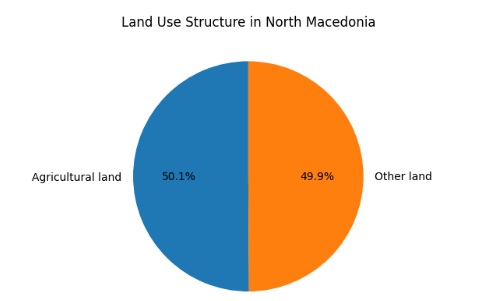
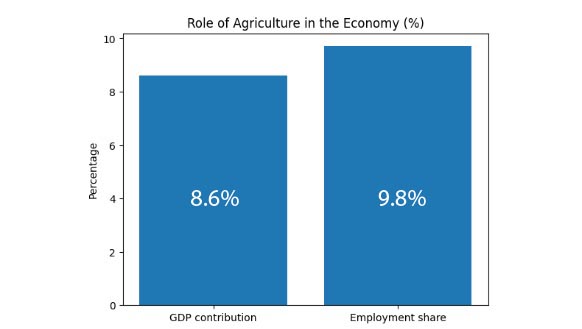
Agriculture remains one of the most significant pillars of the rural economy. More than half of the country’s land is used for agricultural purposes and farming remains a key source of livelihood across rural areas. Approximately 88-000-90,000 farmers are officially registered, while the number of non-registered farmers is estimated at around 120,000, indicating the broad social and economic reach of the sector. Agriculture contributes close to 8.6% percent of national GDP and employs nearly 10 percent of the workforce, underscoring its economic and social relevance. However, productivity remains below European averages largely due to fragmented land ownership, limited mechanization and insufficient integration into value chains.
Land use structure in North Macedonia (check the graphic below)
The structure of rural settlements presents both challenges and opportunities. A large number of villages have fewer than 1,000 inhabitants, making service provision and infrastructure development more complex. Yet these same communities possess strong social ties, local knowledge and natural assets that can support sustainable agriculture, rural tourism and small-scale entrepreneurship when supported by targeted policies and investment.
Climate change further amplifies the urgency of sustainable rural development. Increasing droughts, irregular rainfall and soil degradation place pressure on agricultural production and rural livelihoods. Strengthening climate resilience through sustainable land management, efficient water use and climate-smart agricultural practices is no longer optional but essential for long-term rural viability.
ISD approaches rural development as an integrated process that links economic growth, environmental protection and social inclusion. Supporting land consolidation and cooperative models can improve productivity and market access. Investing in local processing and storage facilities can keep value within rural economies. At the same time, empowering youth and women through skills development and entrepreneurship programs is key to reversing rural depopulation and fostering innovation at the local level.
The contribution of agriculture to North Macedonia’s economy (check the graphic below)
Equally important is participatory local governance. Sustainable rural development requires that communities actively shape their own development paths. Strengthening cooperation between municipalities, civil society, farmers and the private sector ensures that development strategies are locally grounded, inclusive and sustainable.
Rural areas in North Macedonia are not spaces of decline but territories of potential. With the right policies, partnerships and investments, they can become engines of green growth, food security and social cohesion. ISD remains committed to supporting rural communities in this transition, building a future where rural development is synonymous with opportunity, resilience and sustainability.
Trackbacks/Pingbacks:
https://www.instsd.com/analysis-and-concern-why-north-macedonias-strategy-for-young-farmers-is-falling-short/
Read more on similar topics:
Brvenica advances with new Sustainable Development Strategy – Institute for Sustainable Development